
Acupuncture
Safe, effective acupuncture delivered by HCPC-registered physiotherapists to relieve pain, reduce inflammation and restore your body’s natural balance.
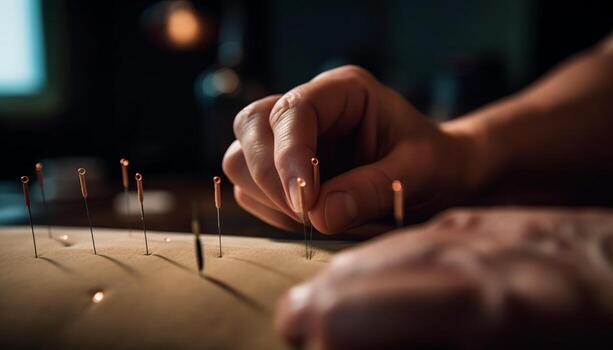
What Is Acupuncture?
Acupuncture is a therapeutic technique that involves the precise insertion of very fine, sterile needles into specific points on the body. At Fenland Physio, our physiotherapists are trained in both Traditional Chinese Acupuncture and Western Medical Acupuncture (also called dry needling), allowing them to tailor the approach to your individual condition and response.
When used as part of a broader physiotherapy treatment plan, acupuncture is highly effective for reducing pain, decreasing muscle tension, improving circulation and promoting the body’s natural healing processes. It is a safe, minimally invasive intervention with an excellent safety profile when performed by trained healthcare professionals.
Two Approaches to Acupuncture
Traditional Acupuncture
Based on ancient Chinese medicine principles, traditional acupuncture works with the body’s energy pathways (meridians) to restore balance. Fine needles are placed along specific meridian points to release blockages, reduce pain and promote holistic wellbeing. Many patients find this deeply relaxing and report improvements in sleep, mood and energy alongside their physical symptoms.
Western Medical Acupuncture
Also known as dry needling, this approach is grounded in modern anatomy and neuroscience. Needles are inserted directly into myofascial trigger points — tight, tender knots within muscle — to release them. This produces an immediate reduction in localised pain and muscle tension, and is particularly effective when combined with manual therapy and exercise rehabilitation.
Conditions That Respond Well to Acupuncture
- Chronic lower back pain
- Neck pain & cervicogenic headaches
- Shoulder pain & frozen shoulder
- Tennis elbow & golfer’s elbow
- Knee osteoarthritis
- Hip pain
- Muscle trigger points & spasm
- Fibromyalgia
- Sciatica & nerve pain
- Post-surgical pain management
- Sports injuries & overuse conditions
- Stress & tension-related symptoms
How Acupuncture Works
Pain Gate Theory
Acupuncture stimulates nerve fibres that interrupt pain signals before they reach the brain, producing immediate analgesic effects.
Endorphin Release
Needling promotes the release of the body’s natural pain-killing chemicals — endorphins and enkephalins — for lasting relief.
Reduces Inflammation
Stimulates anti-inflammatory mechanisms, reducing localised swelling and promoting tissue healing in chronic conditions.
Muscle Relaxation
Directly releases hyperirritable trigger points within muscles, reducing tension and restoring normal movement patterns.
What to Expect in Your Session
Assessment
Your clinician will review your history and identify the most appropriate acupuncture approach for your condition.
Needle Placement
Fine sterile needles are placed at specific points. Most patients feel minimal discomfort — often just a brief sensation as each needle is inserted.
Relaxation Period
Needles are typically left in place for 15–25 minutes, during which many patients feel deeply relaxed.
Aftercare Advice
Following your session, you may feel relaxed or mildly tired. Your clinician will advise on what to expect and complement with exercises.
Experience the Benefits of Acupuncture
Delivered safely by our HCPC-registered physiotherapists as part of your personalised treatment plan.
Book An Appointment